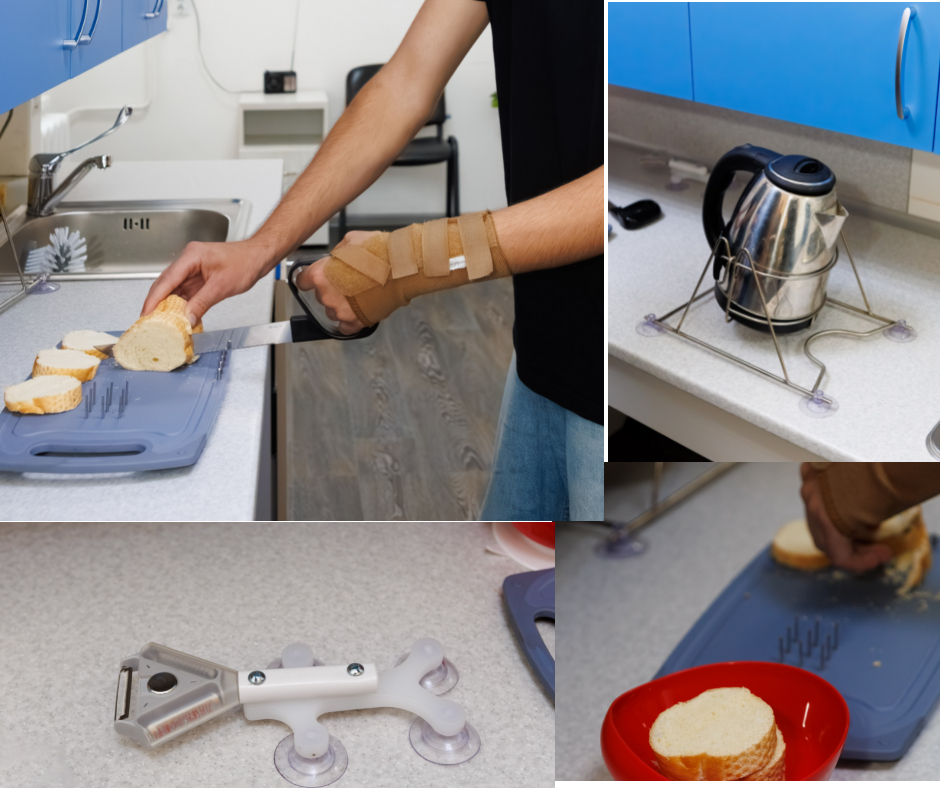
У чому була проблема?
Стандартні кухні не пристосовані для дітей з інвалідністю або обмеженою мобільністю. А між тим кухня — це не лише про їжу, а й про самостійність, соціалізацію та відчуття «я можу».
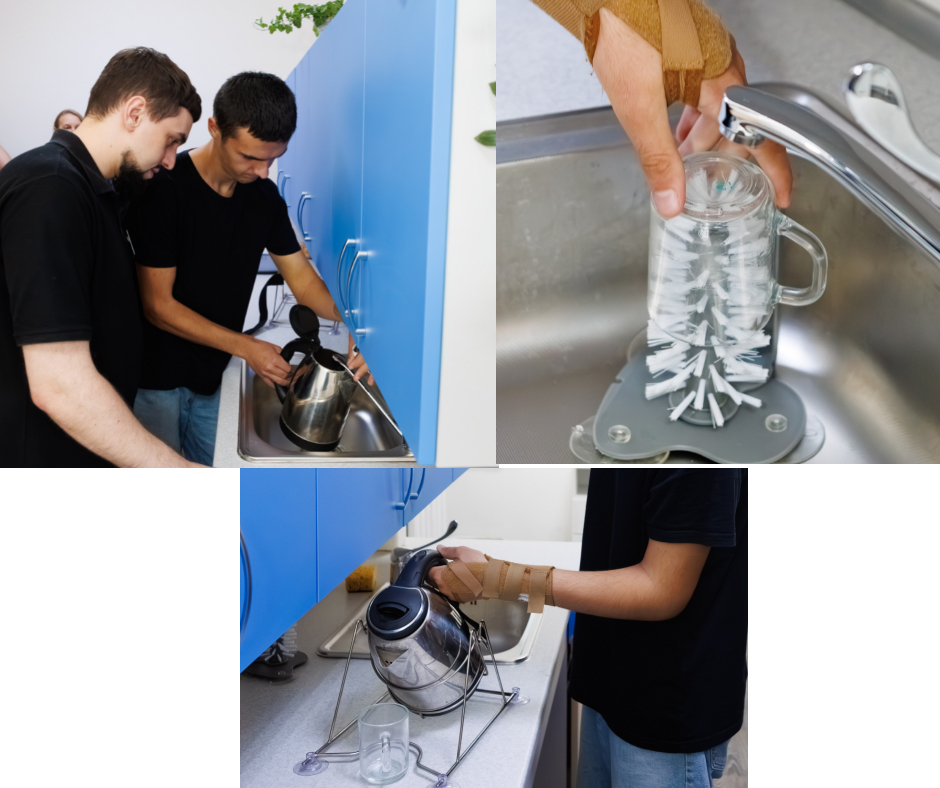
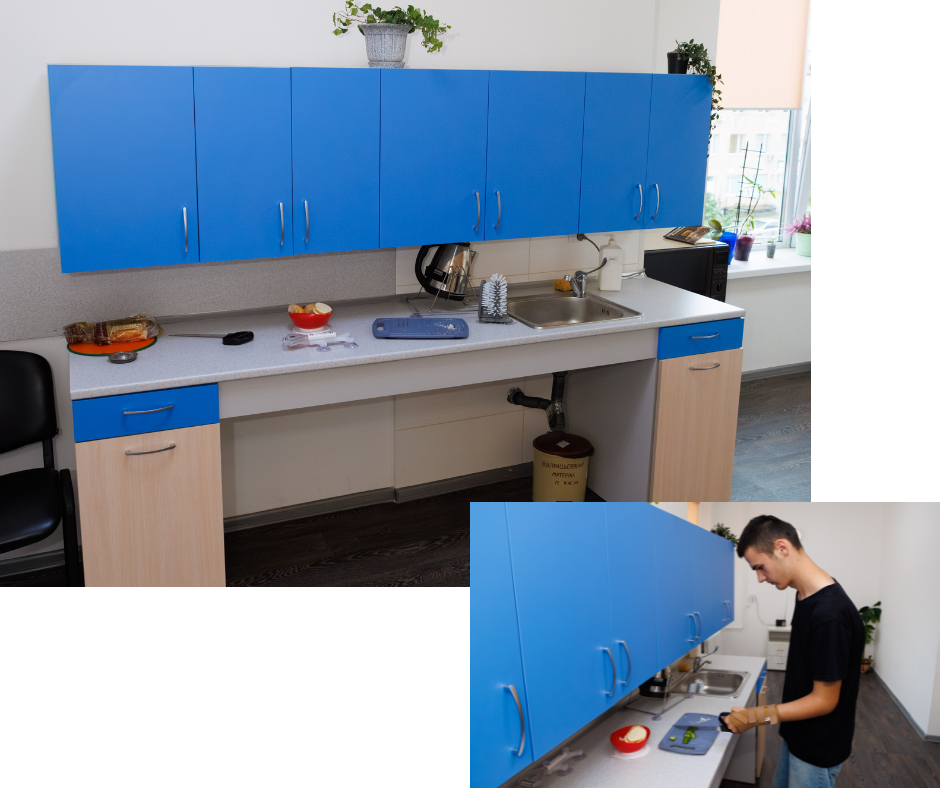
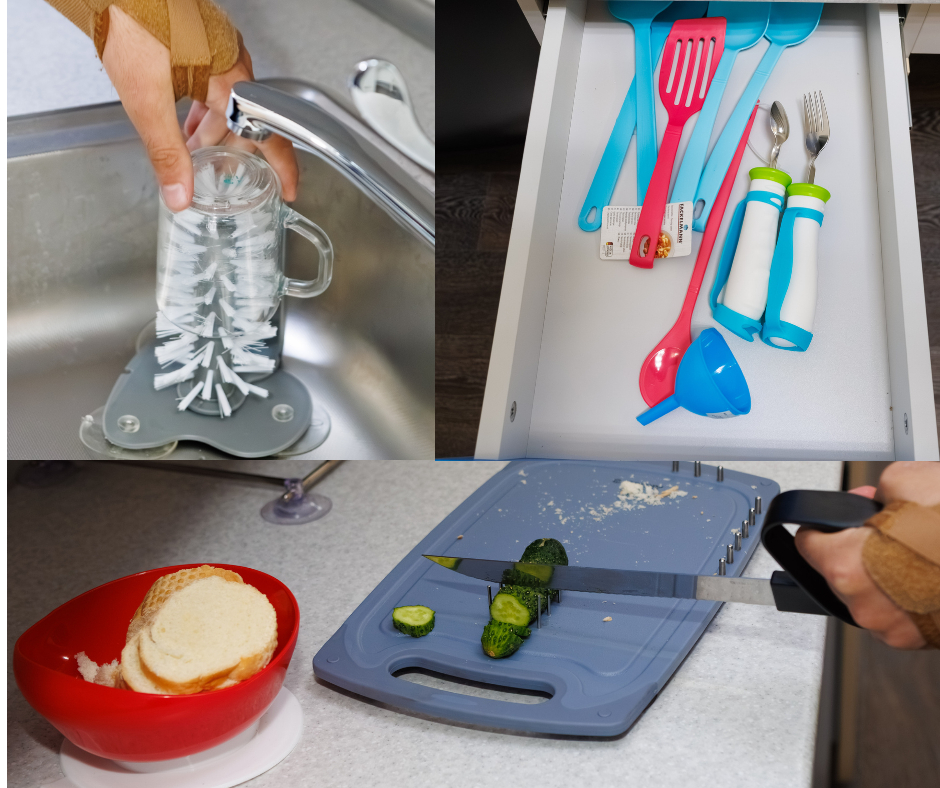
У рамках проєкту було придбано Адаптивну (реабілітаційну, ерготерапевтичну) кухню, а також проведено закупівлю спеціального обладнання:
- побутові пристрої з підсилювачами хвату,
- ножі з ергономічними ручками,
- миски з присосками,
- спеціальні стакани та інші ерготерапевтичні матеріали.
Тепер діти зможуть відновлювати та тренувати навички самообслуговування у безпечному та доступному просторі:
- заварити чай,
- зробити бутерброд,
- спекти печиво,
- приготувати мамі каву на сніданок.
зменшення бар’єрів для дітей з інвалідністю;
формування впевненості та незалежності;
практичний приклад для батьків, як підтримувати дитину вдома;
шанс уникнути ізоляції, апатії та відчуття безпорадності.
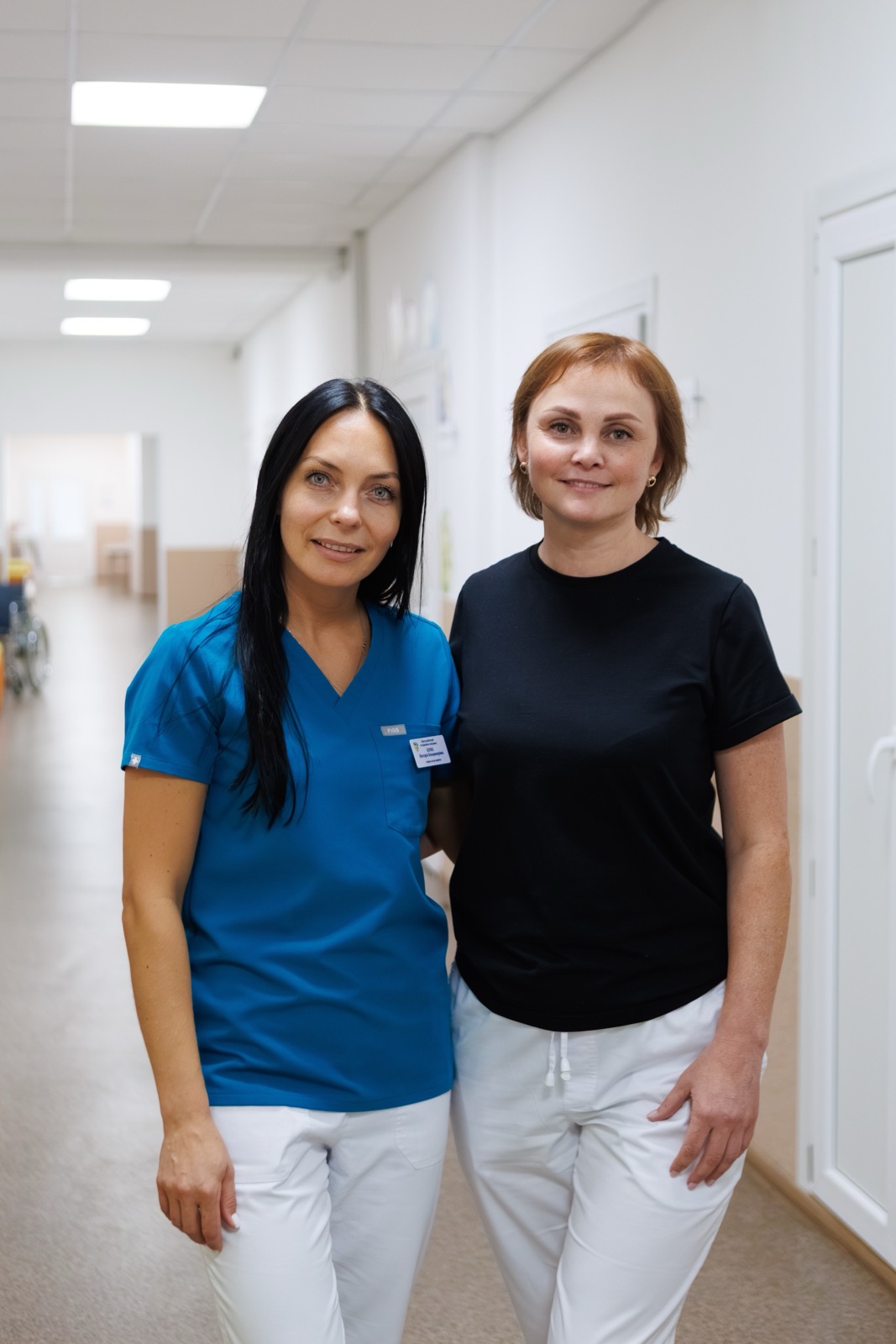
Проєкт реалізується за підтримки Альянс громадського здоров’я (Alliance for Public Health).
Кожна така ініціатива — це крок до суспільства, де діти з особливими потребами відчувають рівні можливості.
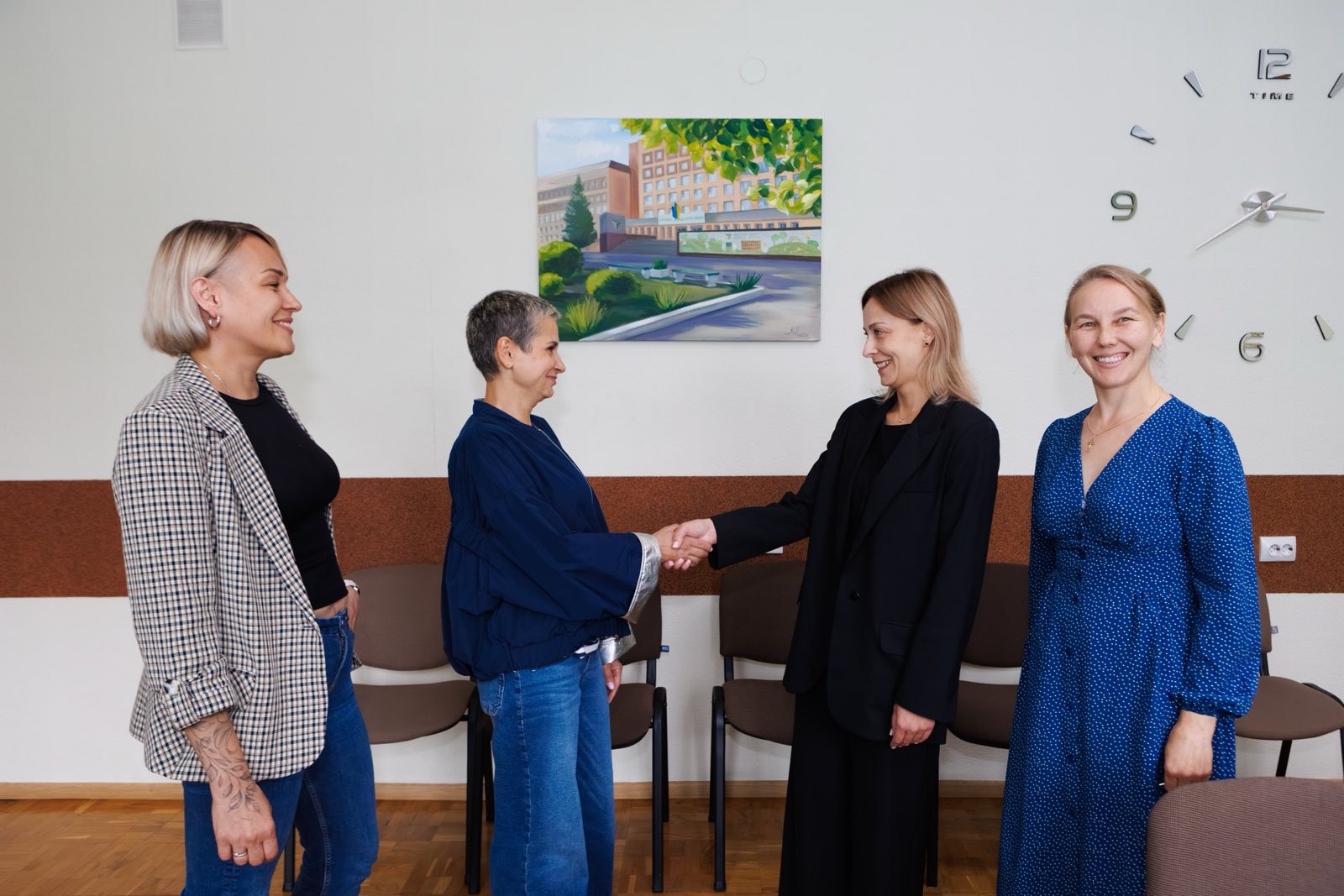
Success of the Initiative Group of Rivne Regional Children’s Hospital The group implemented a project that transforms the lives of children with upper limb impairments. Standard kitchens are not adapted for children with disabilities or limited mobility. Yet, the kitchen is not just about food — it is about independence, socialization, and the feeling of “I can.” Project activities included the acquisition of an adaptive (rehabilitation/ergotherapy) kitchen and special equipment: household appliances with grip enhancers, knives with ergonomic handles, bowls with suction cups, special cups, and other ergotherapy materials. Now children can develop and practice self-care skills in a safe and accessible space, such as brewing tea, making sandwiches, baking cookies, and preparing coffee for their mom at breakfast. Benefits include reducing barriers for children with disabilities, building confidence and independence, providing practical examples for parents on how to support their child at home, and helping prevent isolation, apathy, and feelings of helplessness. The project is implemented with the support of the Alliance for Public Health. Every such initiative is a step toward a society where children with special needs experience equal opportunities.