
Рівненський обласний благодійний фонд «Наше Майбутнє»
Rivne Regional Charity Foundation “Our Future”






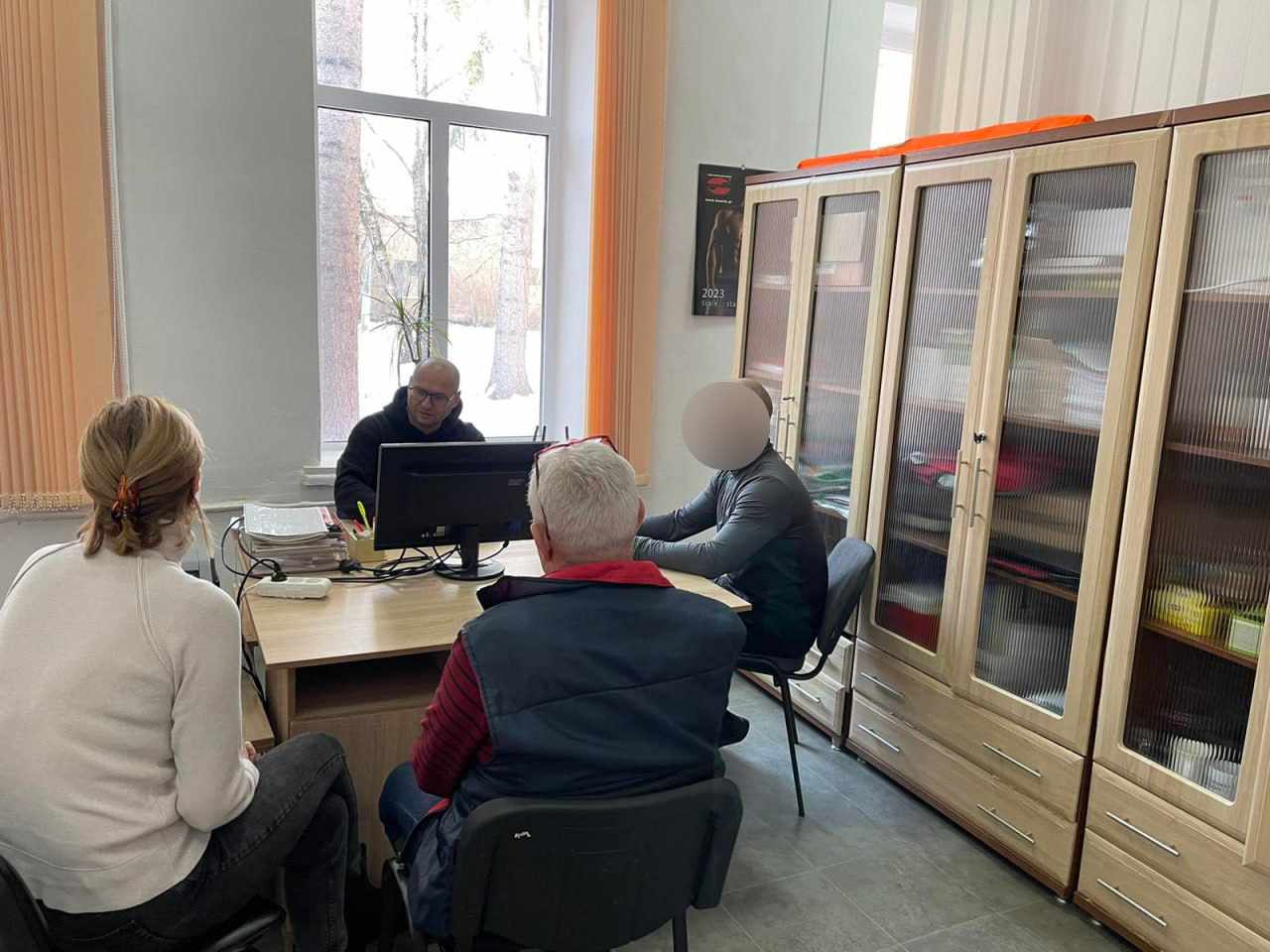
“I had a family, a loving husband, a job, and in a single moment, I lost everything. My husband was killed, my home destroyed, and my hometown occupied. I don’t know how to return to a normal life…” — with these words, 32-year-old Myroslava (name changed) turned to the psychologist of the project “Integrated Humanitarian Response during War and Post-War Recovery”, Ivan Lobchuk.
The severe stress and trauma she experienced contributed to the return of her previous illness — alcohol addiction.
Myroslava shared that over five years ago, she managed to overcome her addiction and was living a full life, but now alcohol has returned, destroying her life from within.
“I want to live a normal life, I want to be an example for my children, but I can’t. My addiction has come back, and it is even stronger,” Myroslava says with tears in her eyes.
For the past year, she has been living in Rivne with her children, where she learned from representatives of the Rivne Regional Charitable Foundation Our Future about the possibility of receiving free psychological support. The words she heard at the right time and place became the lifeline she had long ceased to hope for.
Now, she is working through her psychological trauma and rebuilding her inner resources to find the strength to fight her problem and take the first steps toward overcoming it.
“One day I overcame it before, and I believe I can do it this time too,” Myroslava concludes.
In Ukraine, the project “Integrated Humanitarian Response during War and Post-War Recovery” is implemented with financial support from the Disasters Emergency Committee (DEC), United Kingdom. The project, aimed at supporting communities by addressing urgent humanitarian, social, and medical needs and ensuring a dignified life in crisis conditions, is carried out by the Rivne Regional Charitable Foundation Our Future with technical support from Christian Aid and coordination by the International Charitable Foundation Alliance for Public Health.
© 2012-2026.Рівненський обласний благодійний фонд «Наше Майбутнє» Rivne Regional Charity Foundation “Our Future”. Всі права захищені.